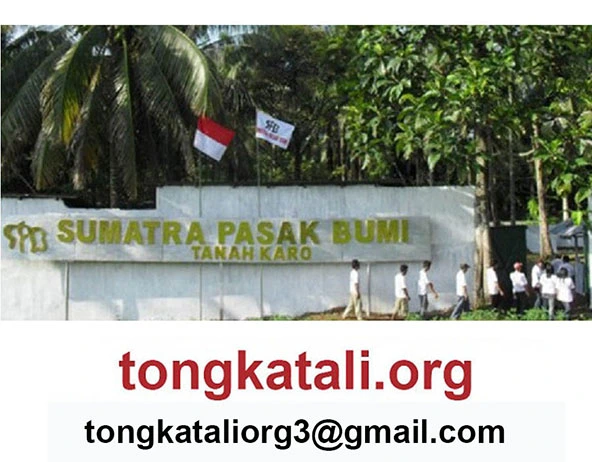
Sumatra Pasak Bumi produces three botanical extracts. Two of them — Black Ginger and Butea Superba — come from Thailand. One — Tongkat Ali — comes from our own harvesting operations in the Karo highlands of North Sumatra. All three are standardized to specific active compound percentages and tested by independent laboratories. None of them contain fillers, rice flour, or maltodextrin. What is in the capsule is the extract, nothing else.
Tongkat Ali — Eurycoma longifolia
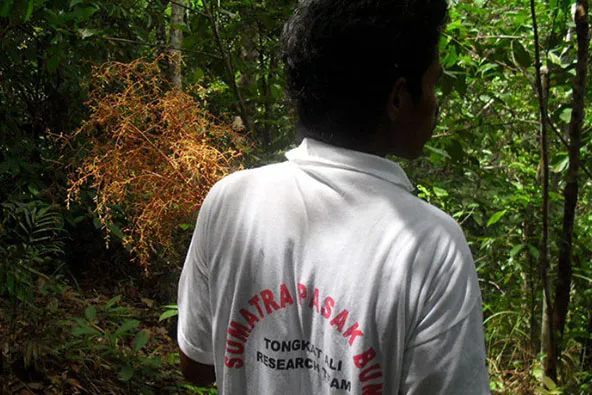
Tongkat Ali is what this company was built on. Antonius and Bartholomeus Sembiring started PT Sumatera Pasak Bumi in 1998 specifically to supply Tongkat Ali from the Karo Batak highlands of North Sumatra — the territory around the active volcanoes Mt. Sinabung and Mt. Sibayak. We have worked the same geography ever since. The plant's common Indonesian name, pasak bumi ("earth nail"), refers to the taproot, which goes straight down several meters in old trees and is harvested by hand digging. It cannot be pulled out by a tractor.
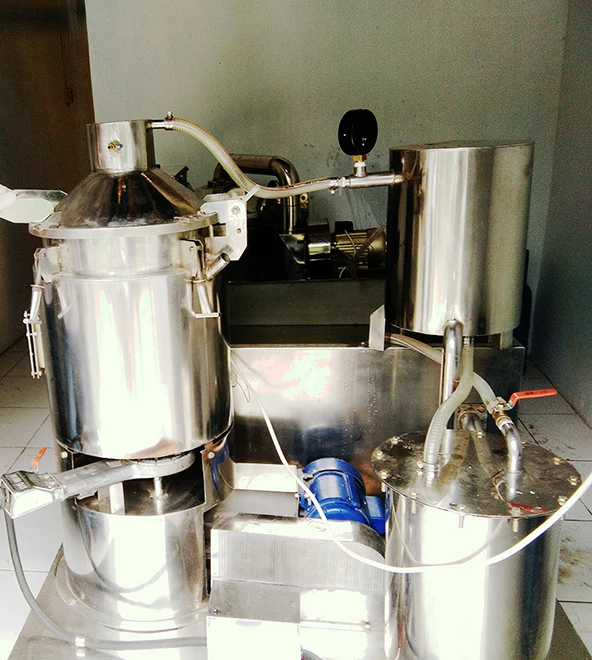
The active compounds we standardize to are quassinoids — primarily eurycomanone. Published research has studied eurycomanone for effects on testosterone biosynthesis, LH stimulation, SHBG suppression, and antimalarial activity. We are not in a position to make medical claims, but the research is available and buyers generally arrive already familiar with it. Our job is to supply extract that is genuine, standardized, and clean.
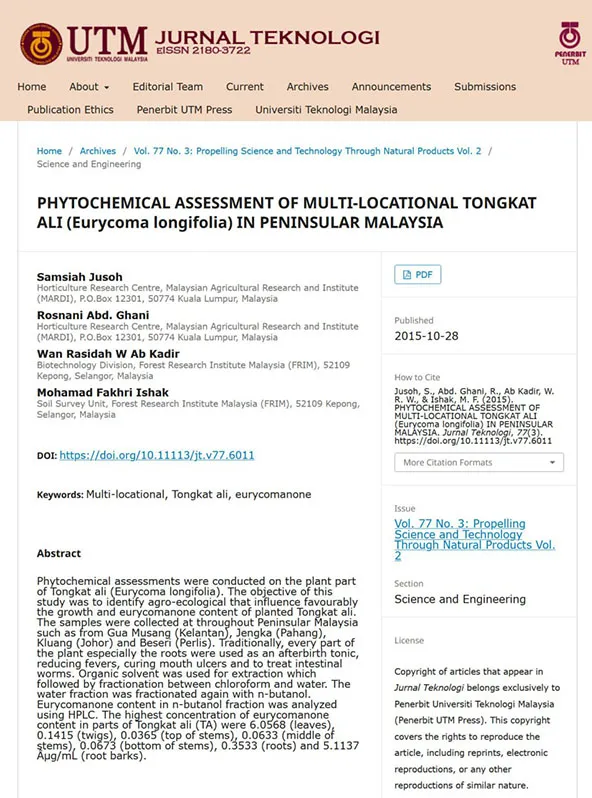
We produce four Tongkat Ali extract grades, differentiated by which part of the plant is used. The data on why this matters comes from a 2015 Universiti Teknologi Malaysia study in Jurnal Teknologi, which found eurycomanone concentrations roughly 14 to 17 times higher in root bark and leaf than in the taproot. Each grade has a different effect profile — they are not interchangeable.
| Extract Grade | Source | Eurycomanone | Notes |
|---|---|---|---|
| Standard Root Extract | Wild-harvested taproot | 2% | Baseline grade, gradual onset |
| Fermented Root Extract | Traditionally aged taproot | 4% | Traditional aging increases metabolite density |
| Root Bark Extract | Cortical (outer bark) layer | 6% | High resin content, concentrated grade |
| Leaf Extract | Eurycoma leaf tissue | 10% | Faster onset; start at lower dose |
Thai Black Ginger — Kaempferia parviflora (กระชายดำ)
Black Ginger is not a ginger in the culinary sense. It is in the same family (Zingiberaceae), but the rhizome is dark purple-black inside and has a different chemistry entirely. The Hmong call it Ntoo Heev. It is cultivated — not wild-crafted — and harvested each December when temperatures in the Northern Thai highlands drop well below 10 degrees Celsius. The cold period before harvest matters for the accumulation of polymethoxyflavones, which are the compounds we standardize to.
Our Black Ginger extract is standardized to 10% polymethoxyflavones (PMFs). Research on PMFs has focused on mitochondrial biogenesis, physical endurance, and blood circulation — a 2016 study published in Heliyon by Toda et al. found measurable effects on muscular endurance through that pathway. The Hmong have used this plant for the same purposes that the research is now investigating: stamina and male vitality.
Altitude matters for this plant. Our sourcing is from Hmong highland cultivation above 1,000 meters. Lowland-grown Black Ginger or Black Ginger from other regions is not the same product and will not standardize to the same PMF levels. We know this because we tested material from multiple sources before settling on the highland Hmong supply.
Butea Superba — Butea superba Roxb. (กวาวเครือแดง)
Butea Superba grows in the open-canopy deciduous forests of Thailand and does not grow in Indonesia. The Thais call it Red Kwao Krua (red creeper) — the name comes from the dark red sap that runs from the cut tuber, which the Hmong describe as bleeding. There is no commercial cultivation. Everyone selling it is drawing on wild collections, and the Hmong hilltribe collectors who work with us are the source.
Our extract is standardized to 4% butein by HPLC. Butein is a chalcone flavonoid under investigation for activity against cAMP phosphodiesterase enzymes and as a potential aromatase inhibitor — a different mechanism from Tongkat Ali, which works through the endocrine system. The two plants are not substitutes for each other.

Pricing and bulk orders
Wholesale bulk powder starts at 700 USD/kg. Orders above 100 kg qualify for up to 10% volume discount. Retail customers who reach a cumulative purchase threshold of 1,000 USD receive a 100% bonus quantity on their next order — effectively buying one and getting one. This means buying at wholesale prices.
Regulatory Notice:
These botanical extracts are nutritional supplements and are not intended to diagnose, treat, cure, or prevent any disease. These statements have not been evaluated by the U.S. Food and Drug Administration. Consult a healthcare professional before use.